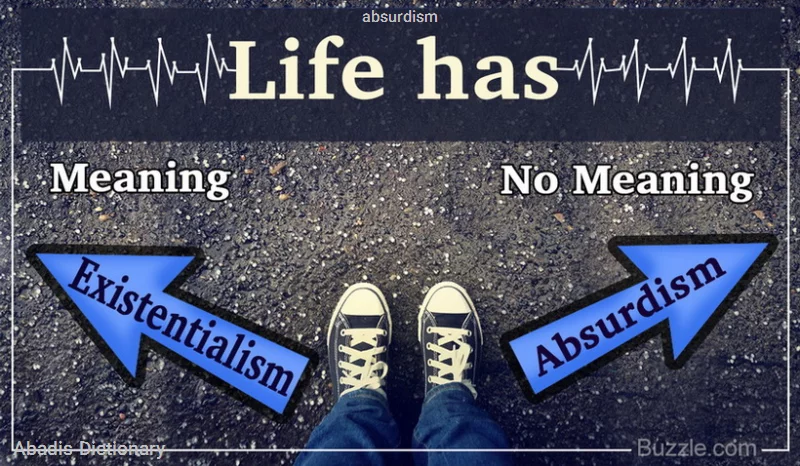
Absurdism in English Language and LiteratureAbsurdism is a philosophical and artistic movement that emerged in the mid‑twentieth century, closely tied to existentialism. In literature, it expresses the conviction that human existence is inherently meaningless, irrational, and chaotic – yet people continue to search for order and purpose. The clash between our need for meaning and the universe’s refusal to provide any is what absurdists call “the absurd. ”
... [مشاهده متن کامل]
Philosophical Roots
The most important thinker behind absurdism is Albert Camus, a French philosopher and writer. In his essay The Myth of Sisyphus ( 1942 ) , Camus argued that the absurd arises when human reason confronts an unreasonable, silent world. He rejected suicide ( whether physical or philosophical ) as an escape. Instead, he proposed revolt: live passionately and freely even when life has no ultimate meaning. Camus’s novels The Stranger ( 1942 ) and The Plague ( 1947 ) show this vision in action. Other influences include Franz Kafka ( whose nightmarish, bureaucratic worlds feel absurd long before the term existed ) and S�ren Kierkegaard ( who wrote about the “leap of faith” in the face of absurdity ) .
Core Characteristics of Absurdist Literature
Meaninglessness: Events have no logical cause or moral purpose. Characters act without clear motivation.
Illogical or circular plots: Stories often lack a traditional beginning, middle, and end. Repetition and stasis replace progression.
Incoherent or banal dialogue: Conversations are full of clich�s, non‑sequiturs, or long silences – showing how language fails to connect people.
Alienated, passive characters: Protagonists are disconnected from society and seem unable to change their situation.
Dark humour: Tragedy and comedy blend together; horrific situations are treated with absurd laughter.
Metaphysical bewilderment: Characters confront an unknowable, indifferent universe.
Major Examples in English Literature
Although absurdism started in French philosophy and theatre ( Camus, Ionesco, and Beckett – though Beckett was Irish and wrote in both French and English ) , it quickly entered the English‑language canon.
Drama ( Theatre of the Absurd )
The term “Theatre of the Absurd” was coined by critic Martin Esslin in 1960. Key English‑language playwrights include:
Samuel Beckett ( Irish ) : Waiting for Godot ( 1953 ) – two tramps wait endlessly for a man who never arrives. No plot, no character development, only circular dialogue and existential dread. Endgame ( 1957 ) and Krapp’s Last Tape ( 1958 ) are equally absurdist.
Harold Pinter ( English ) : The Birthday Party ( 1958 ) , The Caretaker ( 1960 ) , The Homecoming ( 1965 ) . Pinter’s plays feature ambiguous menace, long pauses, and power struggles – a style now called “Pinteresque. ”
Edward Albee ( American ) : The Zoo Story ( 1958 ) , Who’s Afraid of Virginia Woolf? ( 1962 ) . Albee blends absurdist techniques with fierce social criticism.
Fiction
Franz Kafka ( German‑language, but his works are standard in English absurdist courses ) : The Trial ( 1925 ) , The Metamorphosis ( 1915 ) . Gregor Samsa wakes up as an insect for no reason – a perfect absurd premise.
Joseph Heller: Catch‑22 ( 1961 ) – an American absurdist novel about military bureaucracy and the logical trap of “catch‑22. ”
Kurt Vonnegut: Slaughterhouse‑Five ( 1969 ) – uses time travel, satire, and fatalistic humour to confront the absurdity of war and death.
Flann O’Brien ( Irish ) : The Third Policeman ( 1967 ) – a surreal, metafictional absurdist masterpiece.
Tom Stoppard ( British ) : Rosencrantz and Guildenstern Are Dead ( 1966 ) – retells Hamlet from the viewpoint of two minor characters who wander through absurd, philosophical dialogues.
Poetry
Absurdist elements appear in post‑war poetry, though less centrally. John Ashbery’s elusive, self‑cancelling language, Philip Larkin’s bleak realism ( “This Be The Verse” ) , and Adrian Mitchell’s anarchic comic verse all contain absurdist streaks.
Key Themes and Techniques
The futile search for meaning: Waiting for Godot asks “What are we waiting for?” and receives no answer.
Breakdown of language: Characters repeat themselves, interrupt, fall silent; words lose their power to refer.
Circularity and repetition: Actions are performed over and over ( repetitive games, rituals ) without any progress.
The unmotivated event: In The Metamorphosis, Gregor wakes up as an insect for no discernible reason.
Black comedy: Horrific situations ( e. g. , the unexplained arrest in The Trial ) are presented with deadpan, ironic humour.
Distinction from Existentialism and Nihilism
Existentialism ( Sartre, de Beauvoir, early Camus ) argues that individuals can create meaning through choice and action.
Absurdism ( Camus’s later position ) claims that meaning is impossible to find, but we must live without it, embracing the absurd with revolt and joy.
Nihilism rejects all values and can lead to despair or destruction. Absurdism rejects despair – it advocates freedom, passion, and laughter despite meaninglessness.
Legacy
Absurdism strongly influenced postmodern literature, black comedy, and much contemporary theatre and fiction. Its fingerprints appear in the films of Charlie Kaufman, the novels of Don DeLillo, and even in television series like Atlanta or The Office ( UK ) . The shrug that says “nothing matters, so let’s laugh” is the absurdist inheritance.
البته تعریف آقای محمودی با اگزیستانسیالیسم تلخیط شده، ابسوردیسم به معنای قبول بی معنایی زندگی می باشد نه ساخت ذهنی معنای زندگی.
به رغم نظر عجیب دوستی که معادل یاوه گرایی برای ابسوردیسم برگزیدند، ابسوردیسم اصلا باور به چیزهای بی معنی و یاوه نیست! ابسوردیسم همان گونه که آلبر کامو تعریف می کند: یعنی این که جهان در ذات خودش بی معناست
... [مشاهده متن کامل] و هیچ معنا هدف خاصی ندارد ( مثل چیزی که مذهبی ها ادعا می کنند و به یک معنا و هدف الهی برای جهان و خلقت جهان باورمندند. ) اما تفاوت و اختلاف �نهیلیسم� و �ابسوردیسم� در اینجاست که ابسوردیسم برخلاف نهیلیسم به پوچی مطلق و نهایتا میل به خودکشی نمی رسد بلکه بر این باور است که در این در بی معناییِ جهان �انسان خود باید برای خویش معنا بسازد�. این یک مکتب انسانی و زمینی است و با موهومات متافیزیکی کاری ندارد و اصلا به معنی باور به چیزهای پوچ و یاوه نیست!
درود. شهریار جان، پوچ انگاری ممکنه با پوچ گرایی ( nihilism ) اشتباه بشه. واژه درست برای absurdism یاوه گرایی هستش. یعنی گرایش به چیز های بی معنی و یاوه
ابسوردیسم یا پوچ انگاری: ناتوانی در یافتن معمای زندگی.